#SuccessStory #Combi
Eleven formats, one line –
a flexible high-performance system
for global vaccine distribution
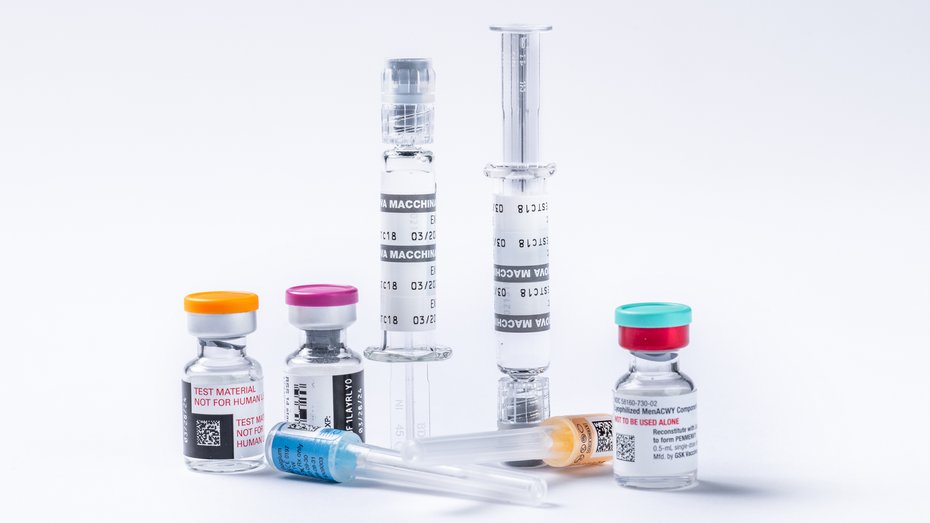
- Cartoning of up to eleven different format combinations of vials, syringes and needles
- Up to 270 products per minute in a top-loading process
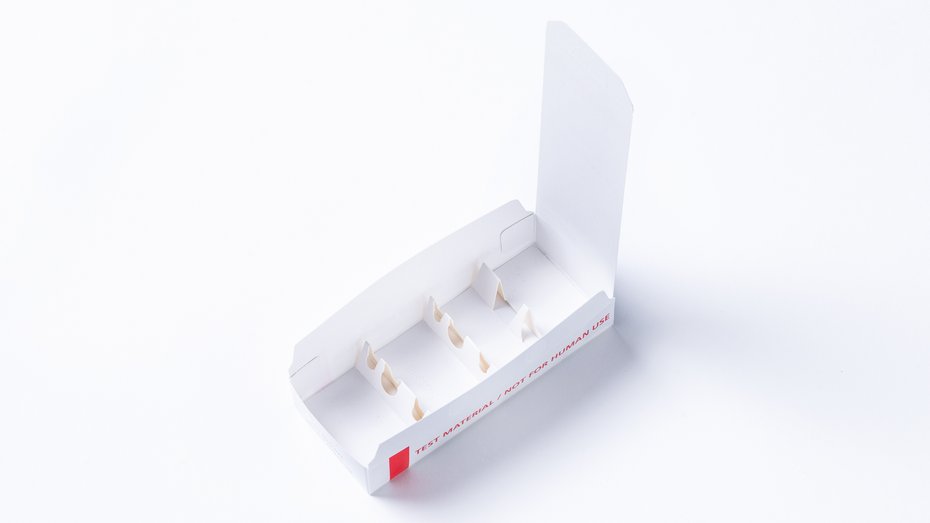
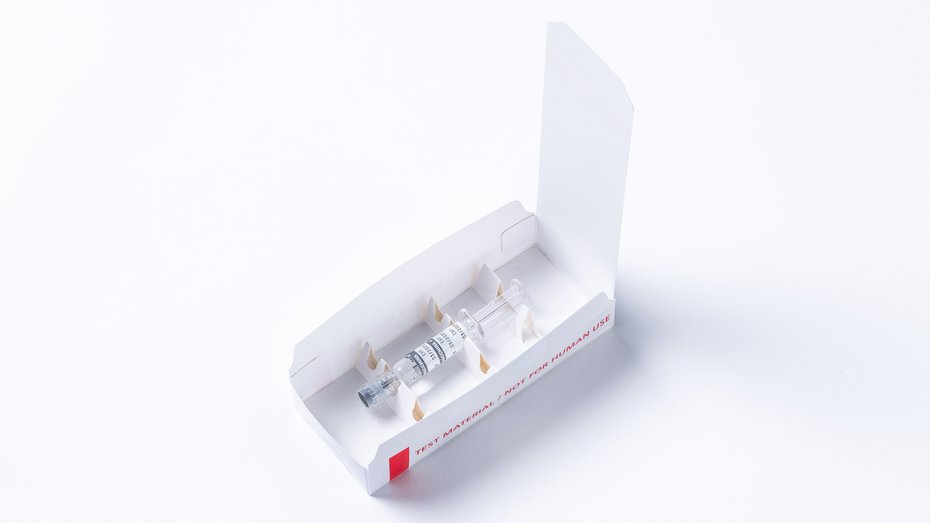
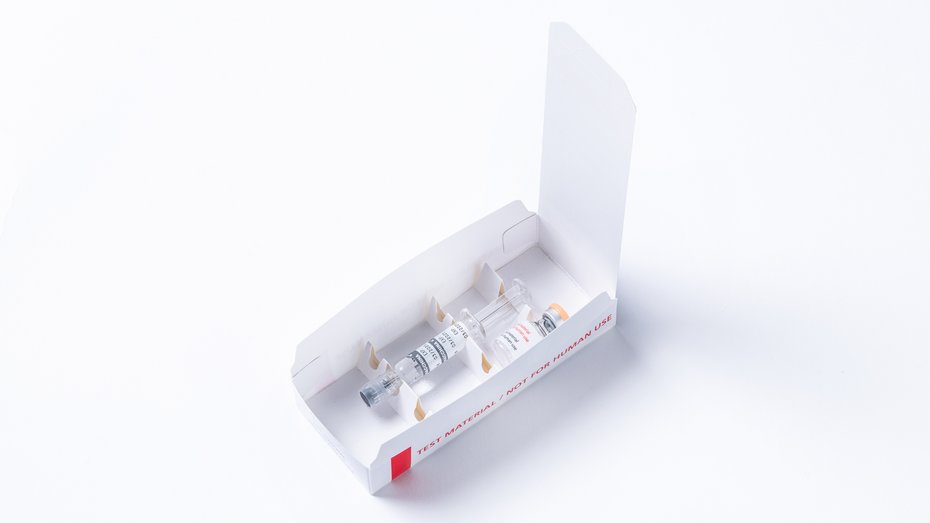
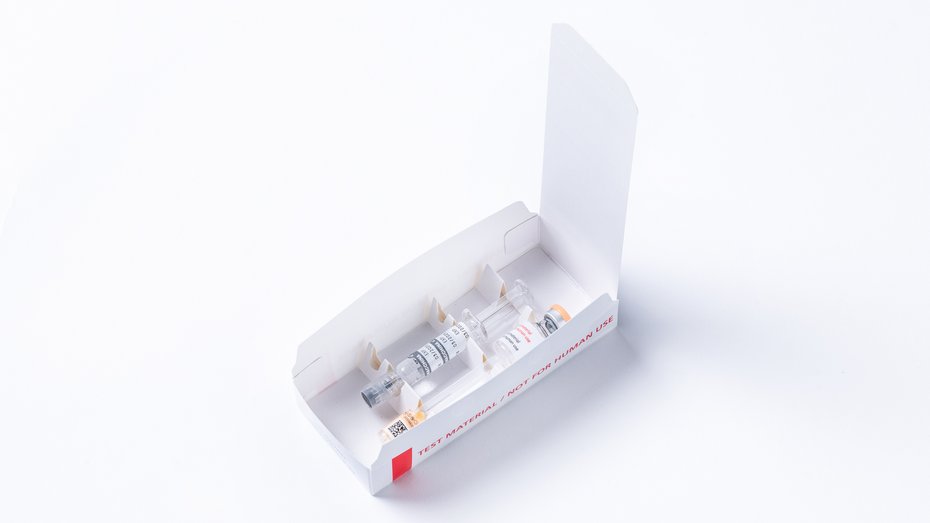
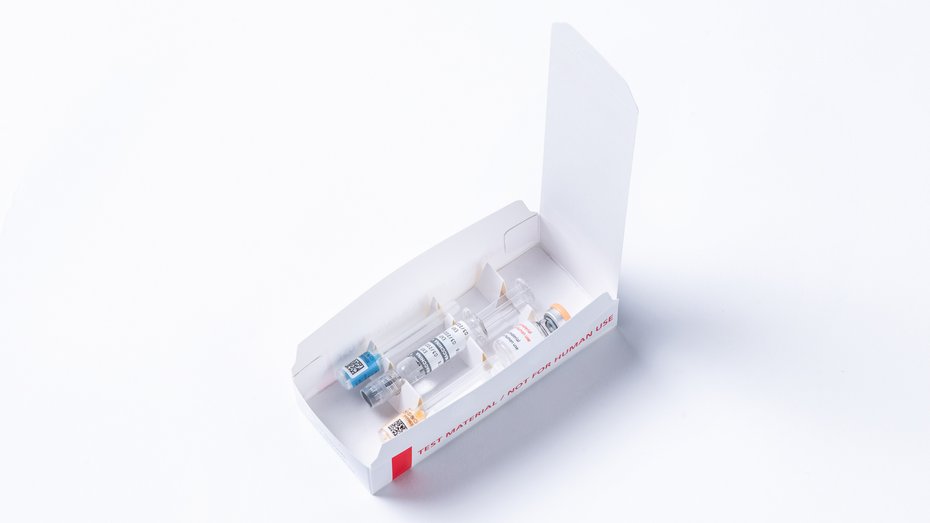
- Sustainable cardboard partitions replace conventional plastic trays
- Comprehensive line clearance concept for maximum production reliability
- Six lines across three European sites, all based on the same core design
270
products per minute
11
formats
Challenge
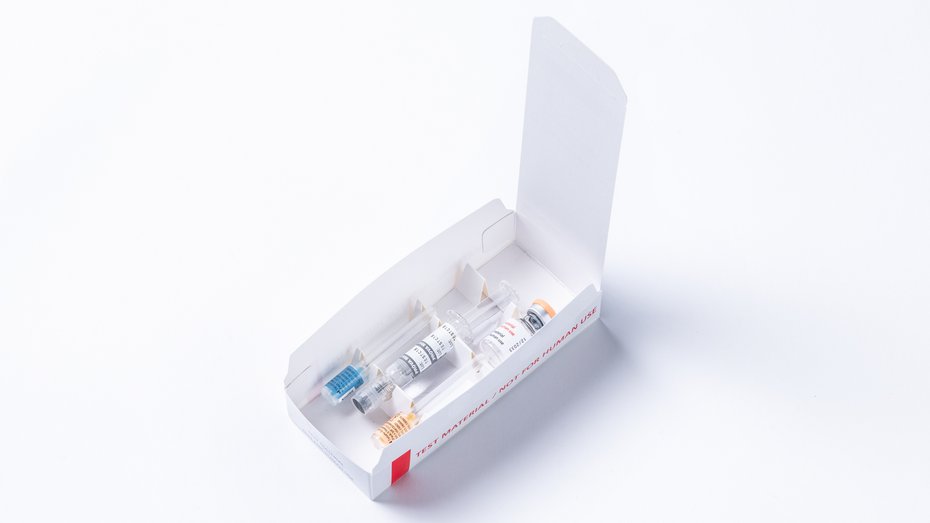
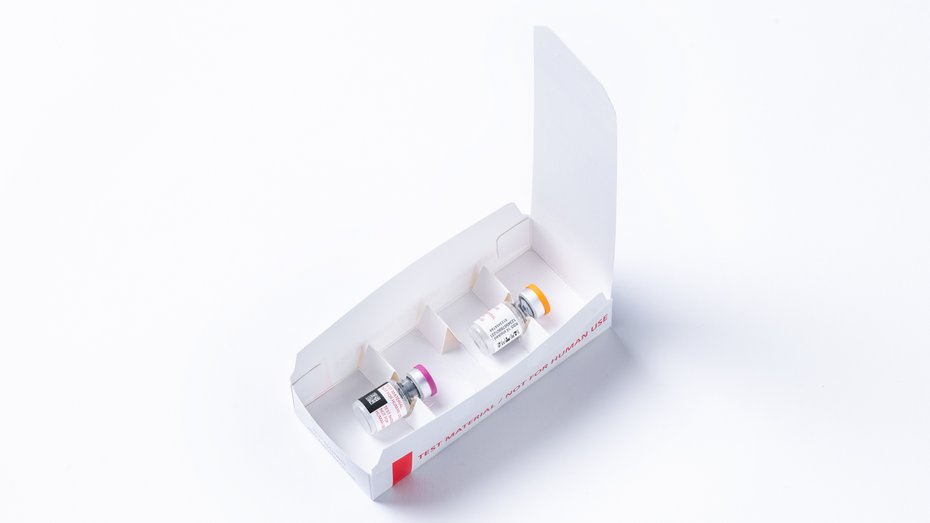
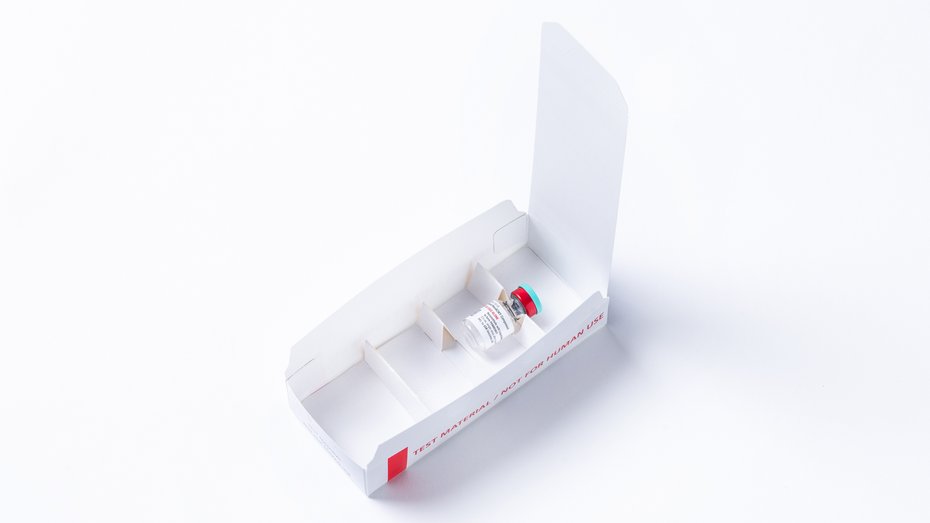
Global markets, eleven configurations, one carton
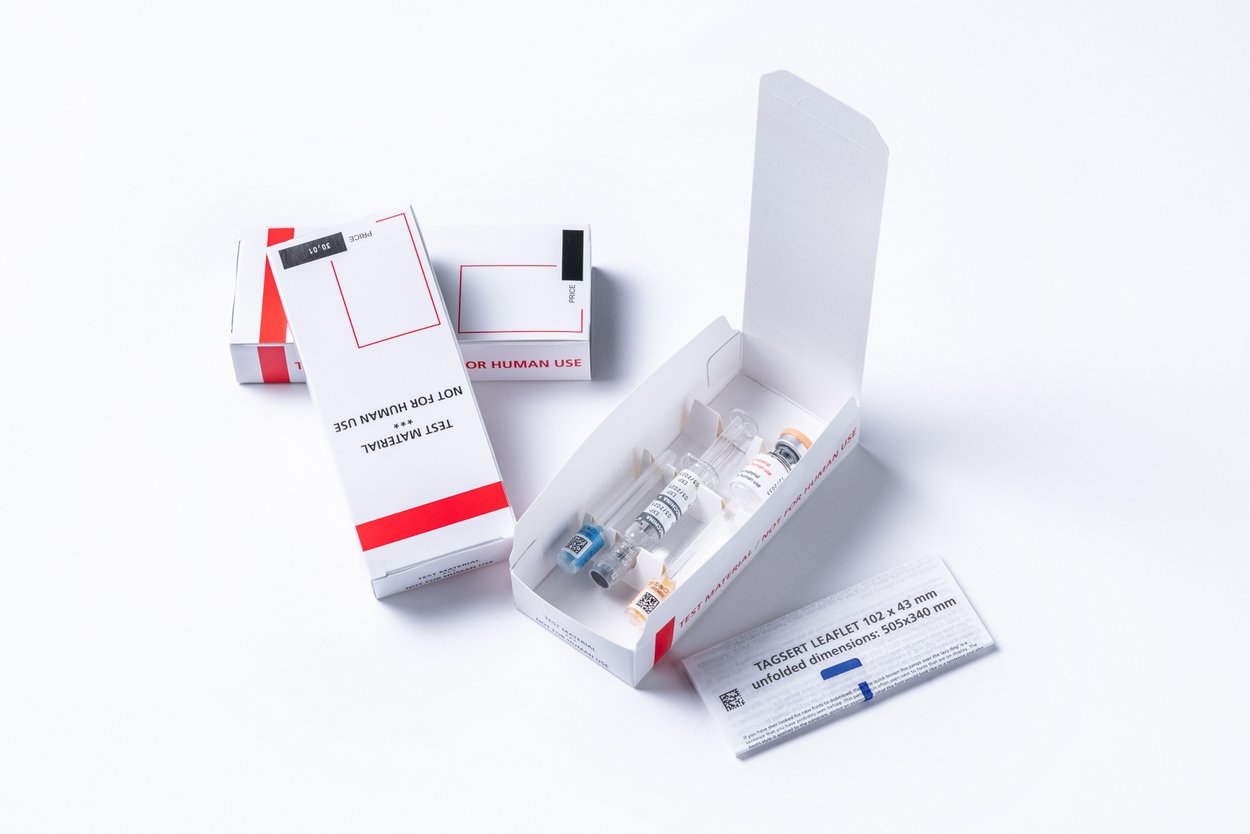
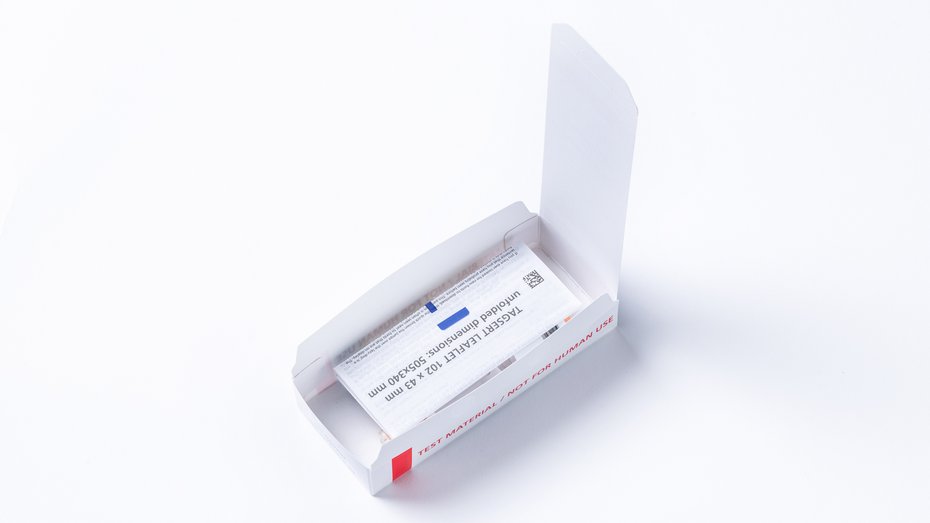
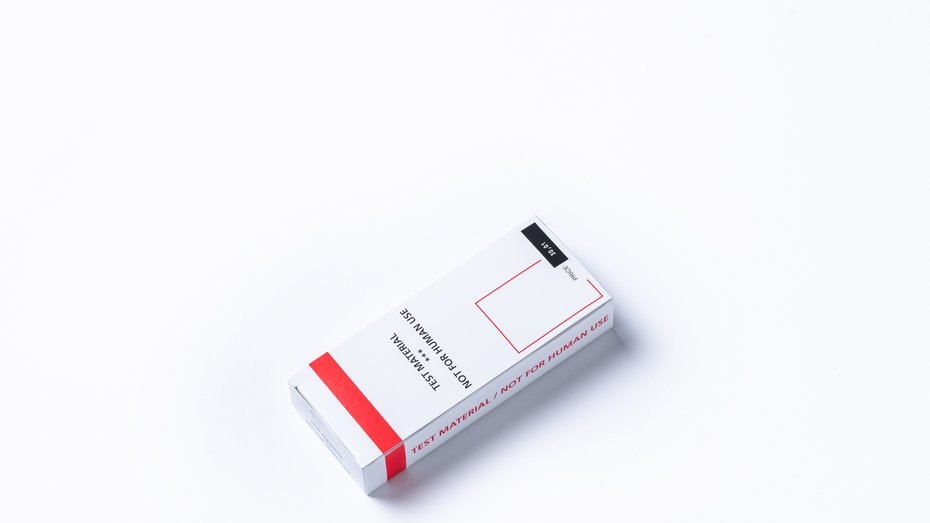
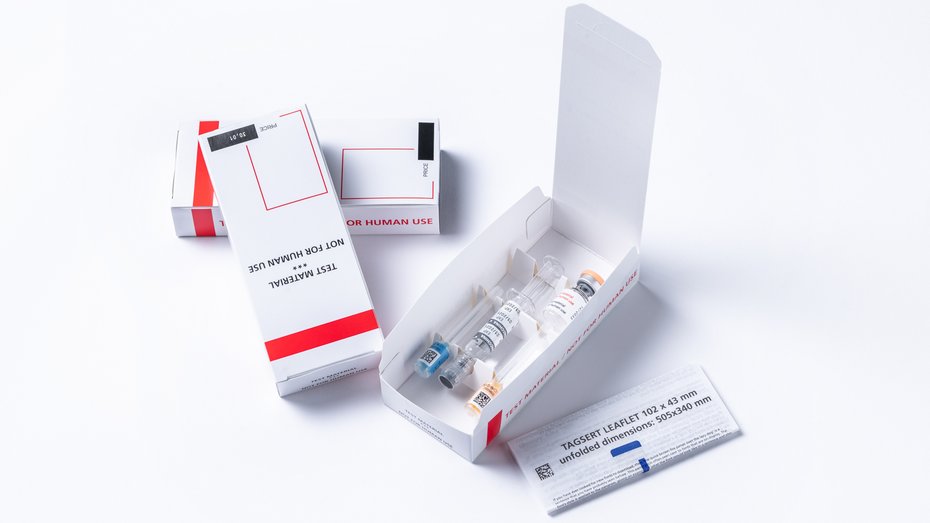
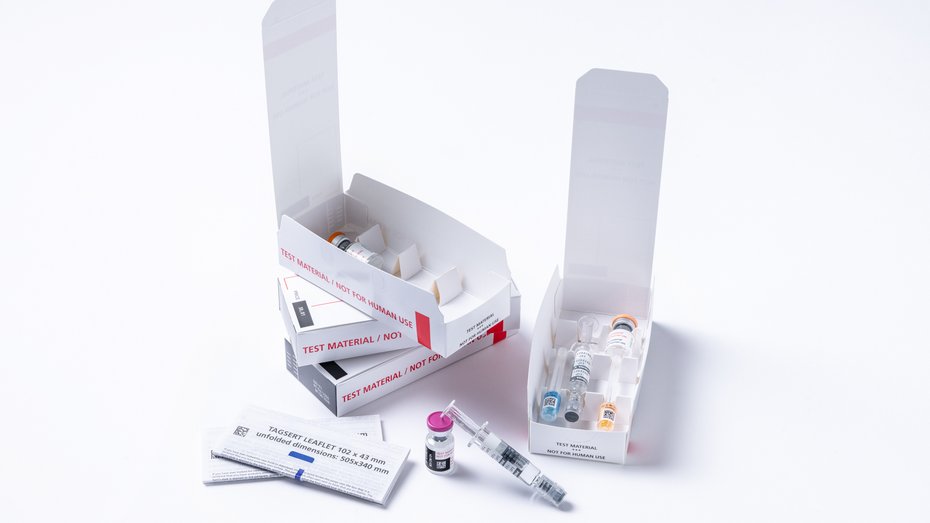
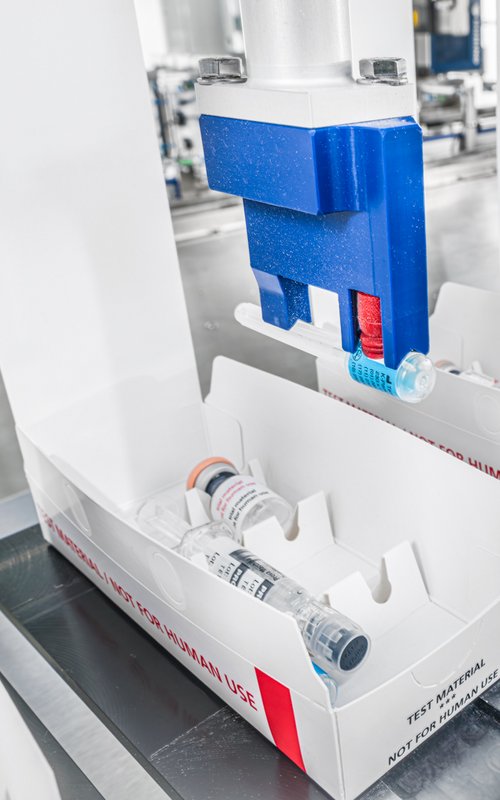
A leading vaccine manufacturer with production sites around the world markets its vaccines in different configurations depending on the target region: from a vial and syringe to two vials without injection aids, the portfolio spans a total of eleven formats containing components that vary in size, weight and length. To handle this demanding task, the company was looking for an automated packaging solution capable of accommodating all variants within a single carton size – while processing sustainable materials. The manufacturer wanted to replace the plastic trays previously used to hold components in place with cardboard partitions. On top of that, the solution had to meet the stringent requirements of the pharmaceutical industry: a rigorous line clearance concept needed to ensure that no product could go missing inside the machine. Having never operated a comparably complex packaging system before, the manufacturer was breaking entirely new ground with this project – and doing so on a grand scale, with six lines at three European production sites.
Solution
Engineering expertise from Germany
One company has been mastering precisely these kinds of specific requirements for 60 years – the very company that pioneered robotic packaging processes in the first place: Gerhard Schubert GmbH, based in Crailsheim, was already a trusted partner to
the manufacturer and offered the modular foundation to bring this highly customised project to life through its TLM system platform. Schubert Pharma develops and delivers efficient top-loading packaging solutions for the pharmaceutical industry, with a
strong focus on safe processes and GMP-compliant design. The ideal prerequisites, especially since Schubert brings together specialists in material science and machine compatibility under one roof at its in-house Packaging Competence Center (PCC).
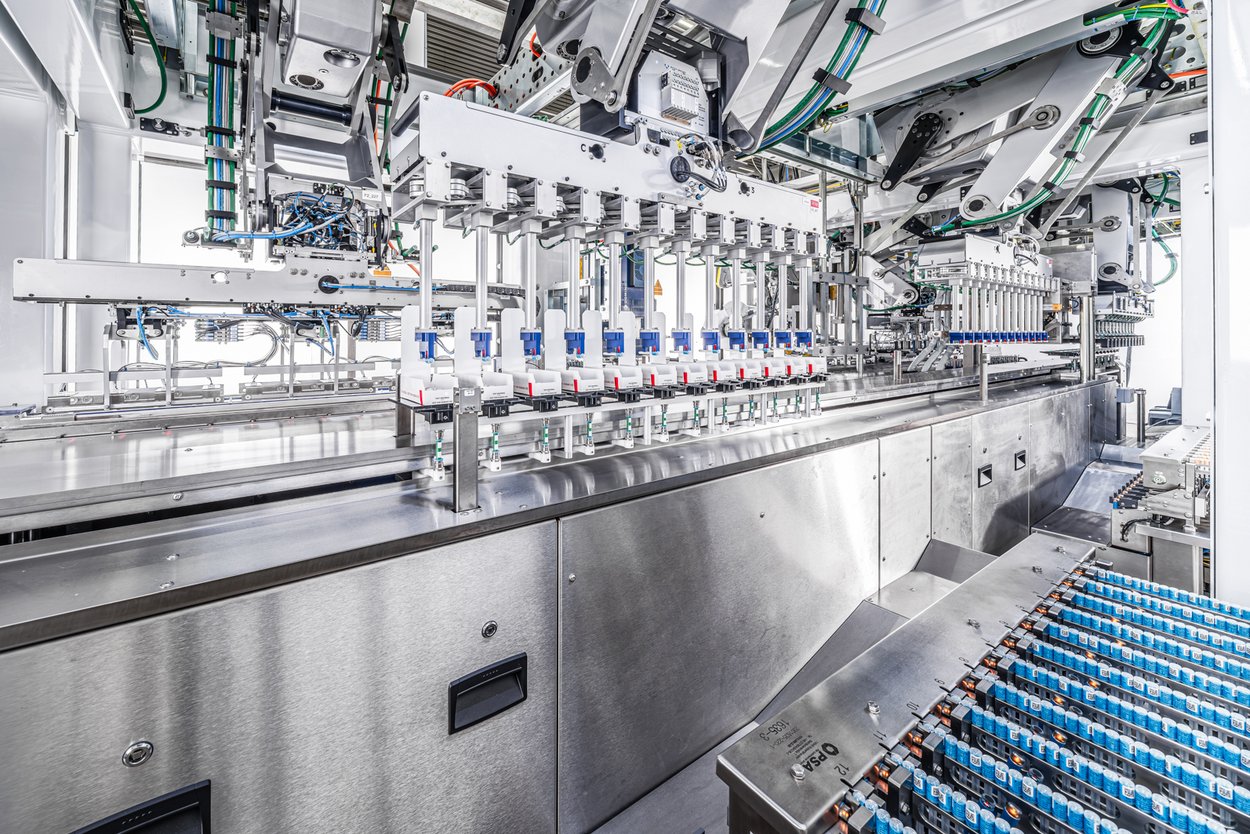
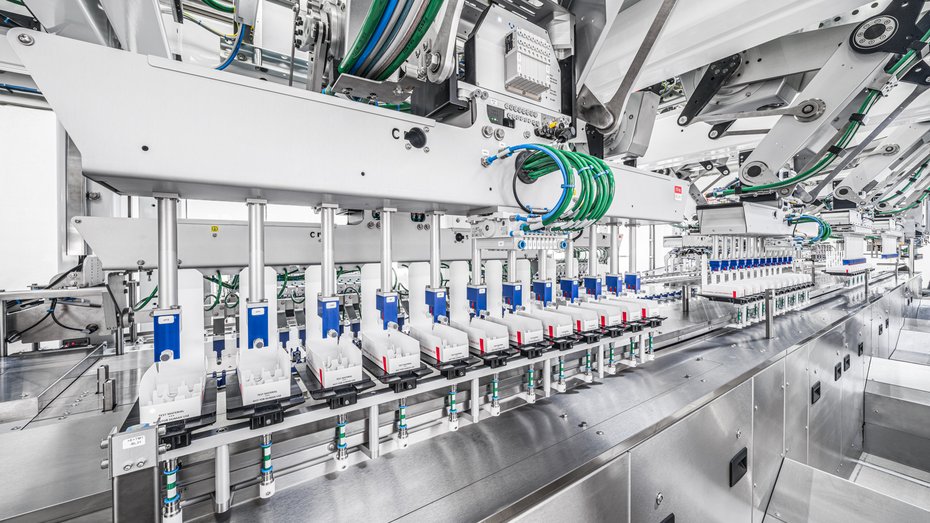
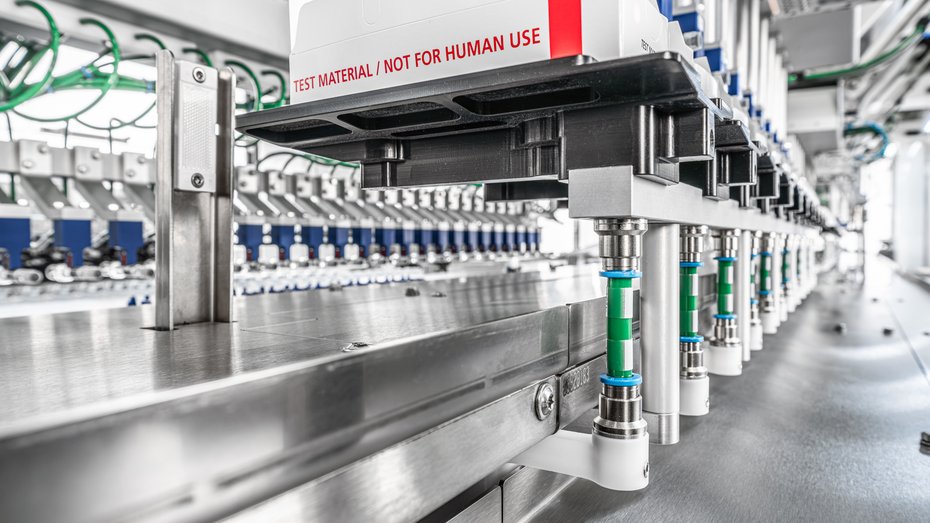
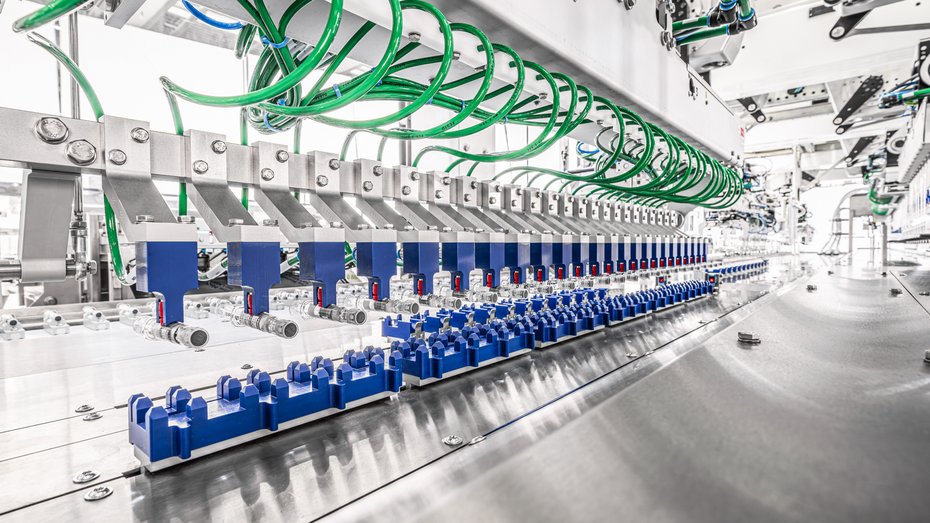
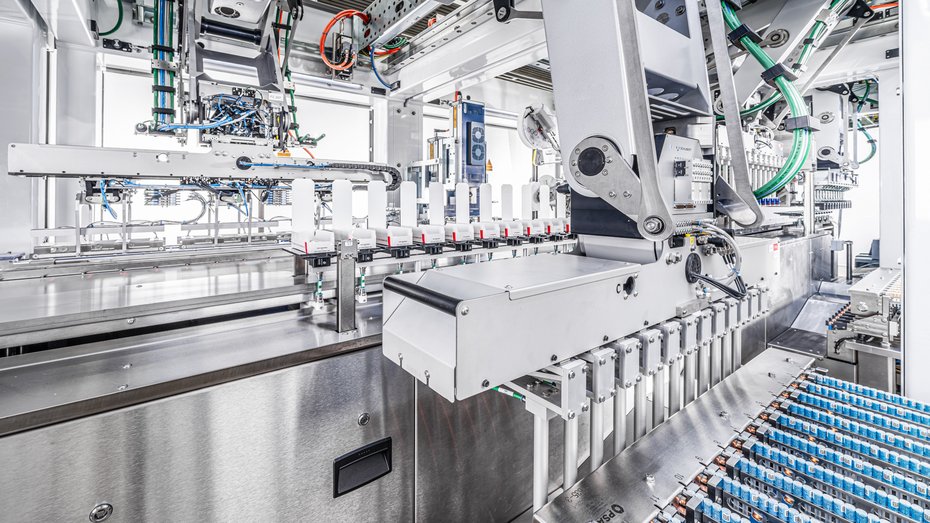
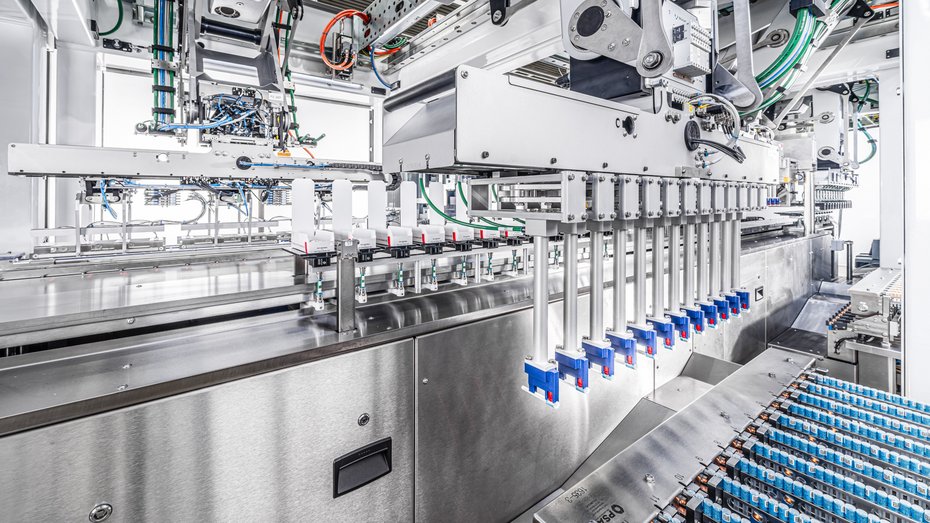
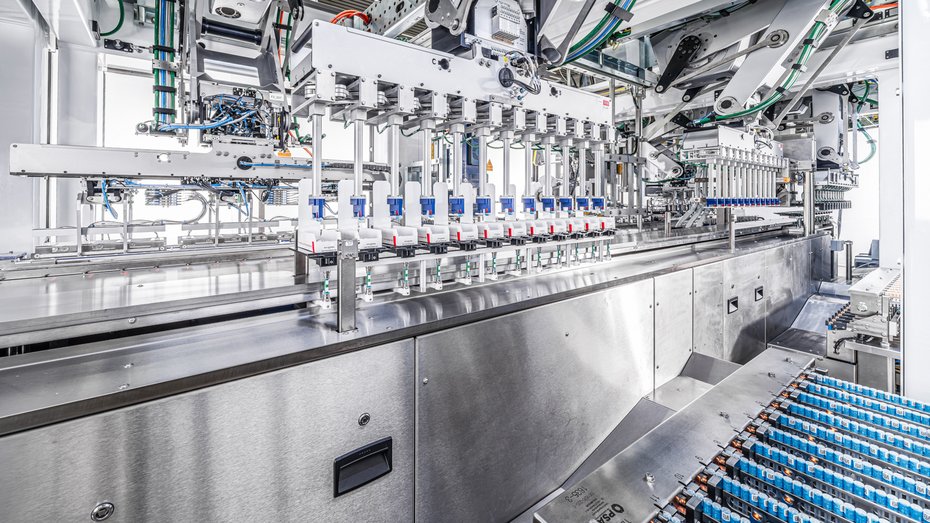
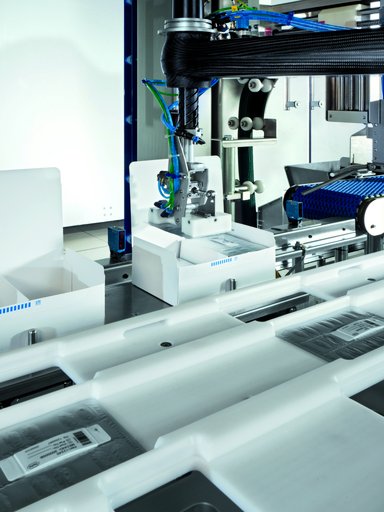
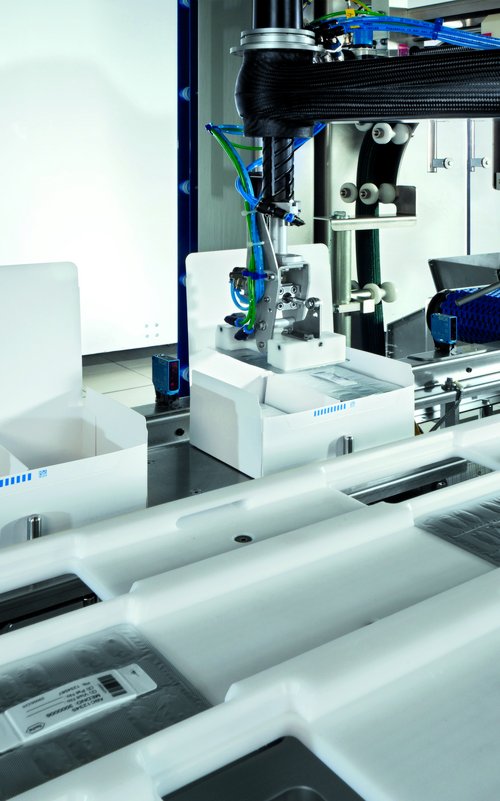
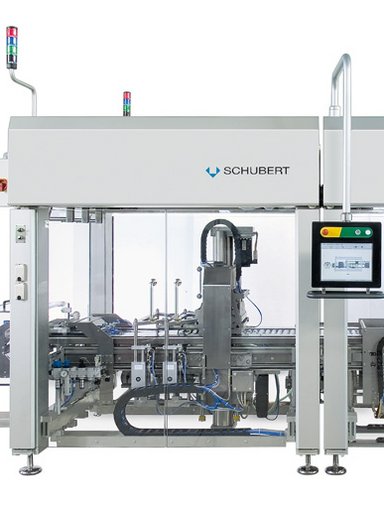
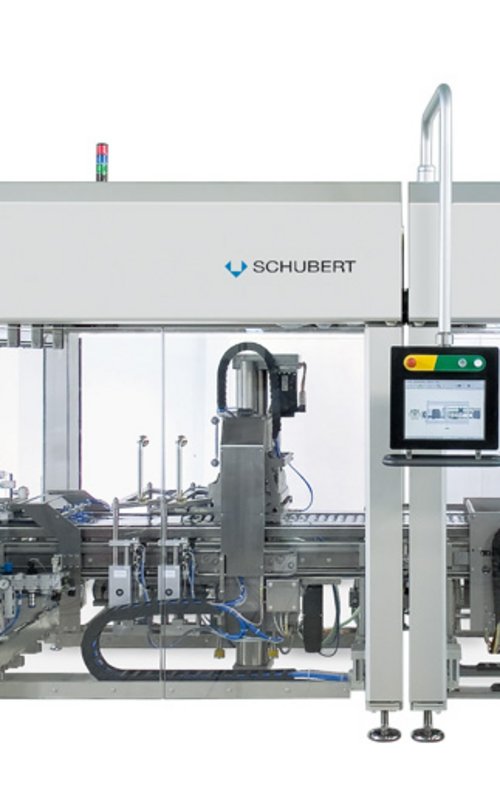
While the PCC team delved deep into material options for the partitions, another team engineered the line itself. Spanning just 18 metres, it comprises nine machine frames in which robots handle the erecting, gluing and filling of the cartons. Schubert's Transmodules serve as a vital link in the process: these rail-guided transport units carry blanks that are glued on their way to the F2 robot.
“This is how we make sure the system never packages the wrong product for a given
batch – and prevent entire batches from having to be discarded.”
Luca Blümlein, Project Manager
Schubert-Pharma / Schubert Packaging Systems GmbH
From the infeed chain into the carton
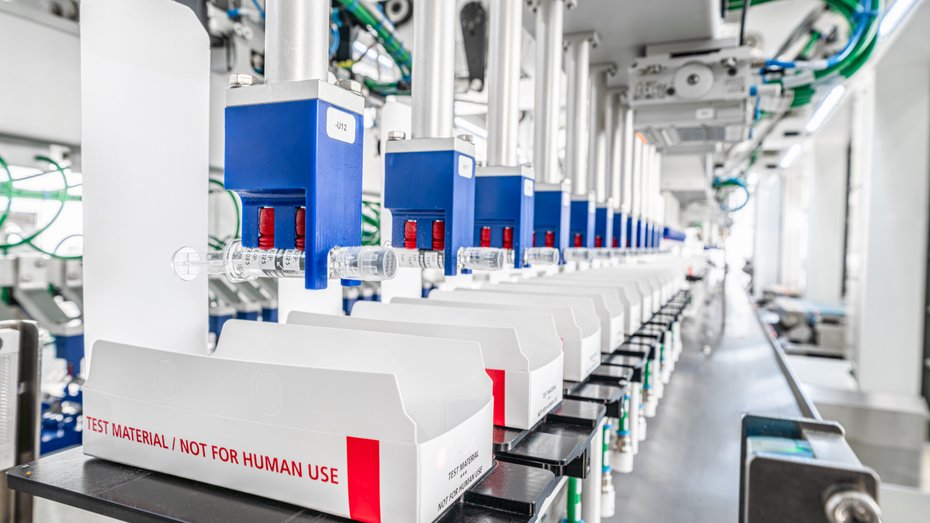
Six blanks at a time pass through the erecting process in parallel across different sections of the line. “The result is twelve erected cartons standing on a single Transmodule,” explains project manager Luca Blümlein. Further downstream, the machine
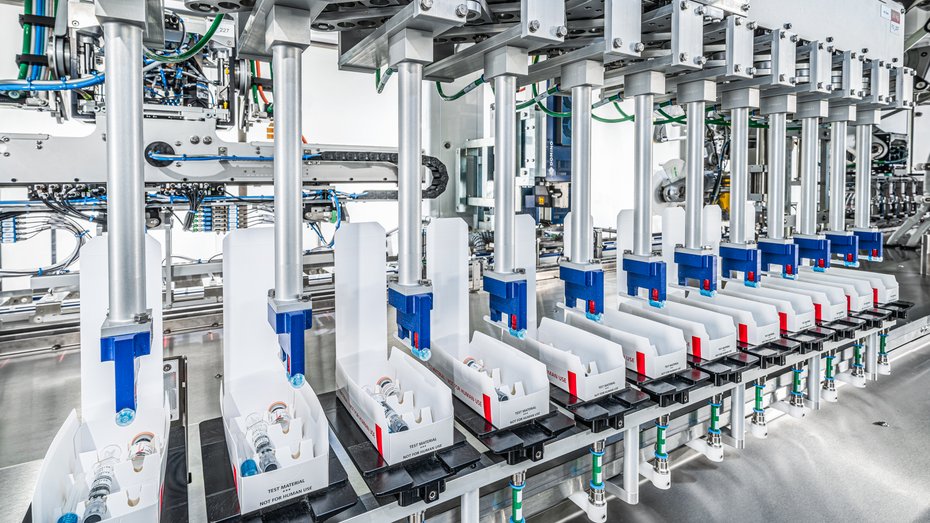
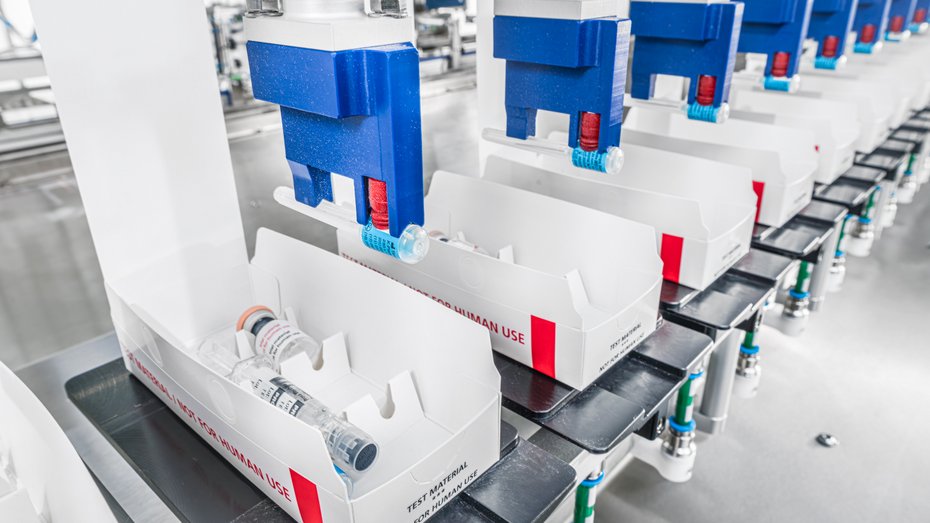
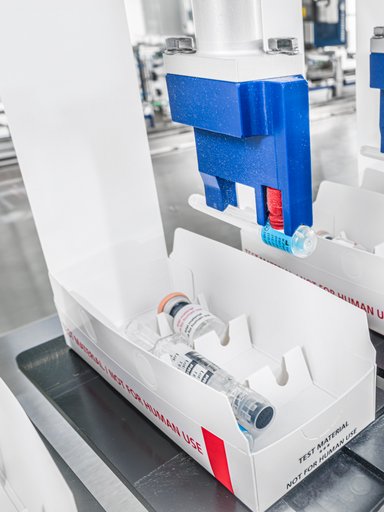
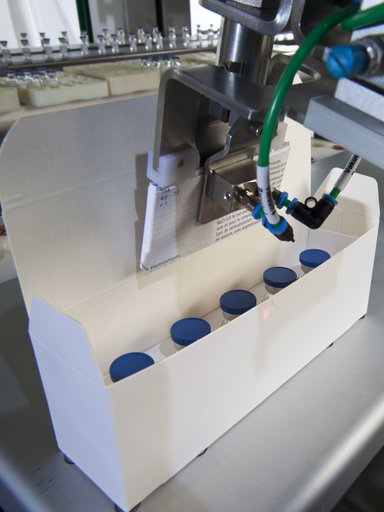
folds twelve partitions at several stations, glues them into the erected cartons, places first vials, syringes and needles, then leaflets into the cartons, and finally closes them. To do this, an F2 robot first folds the partitions into the required shape using a folding
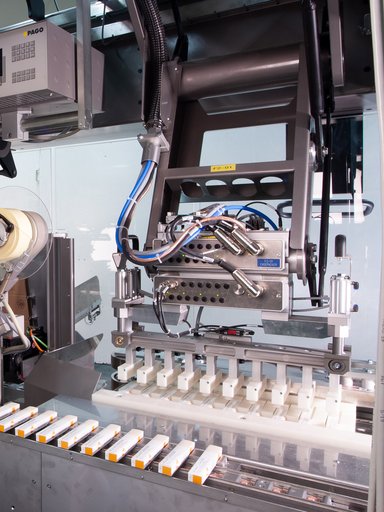
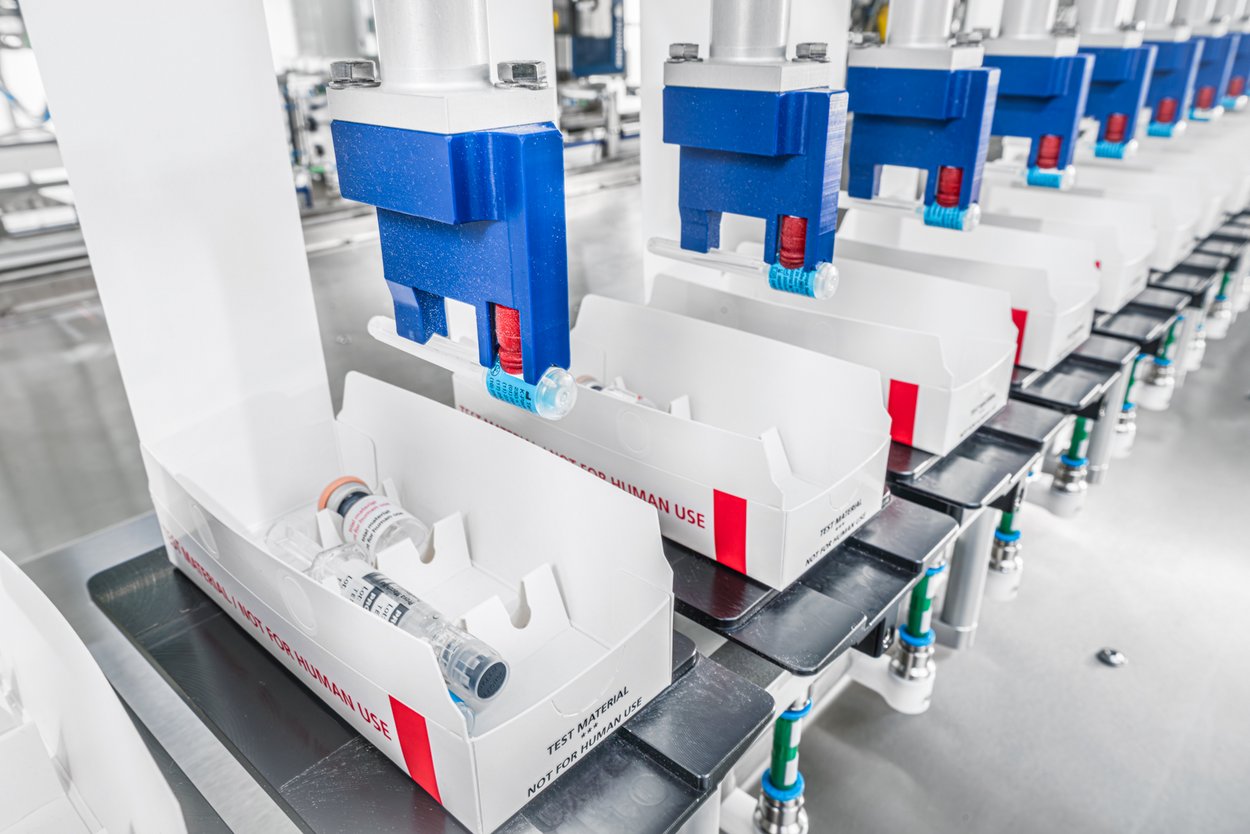
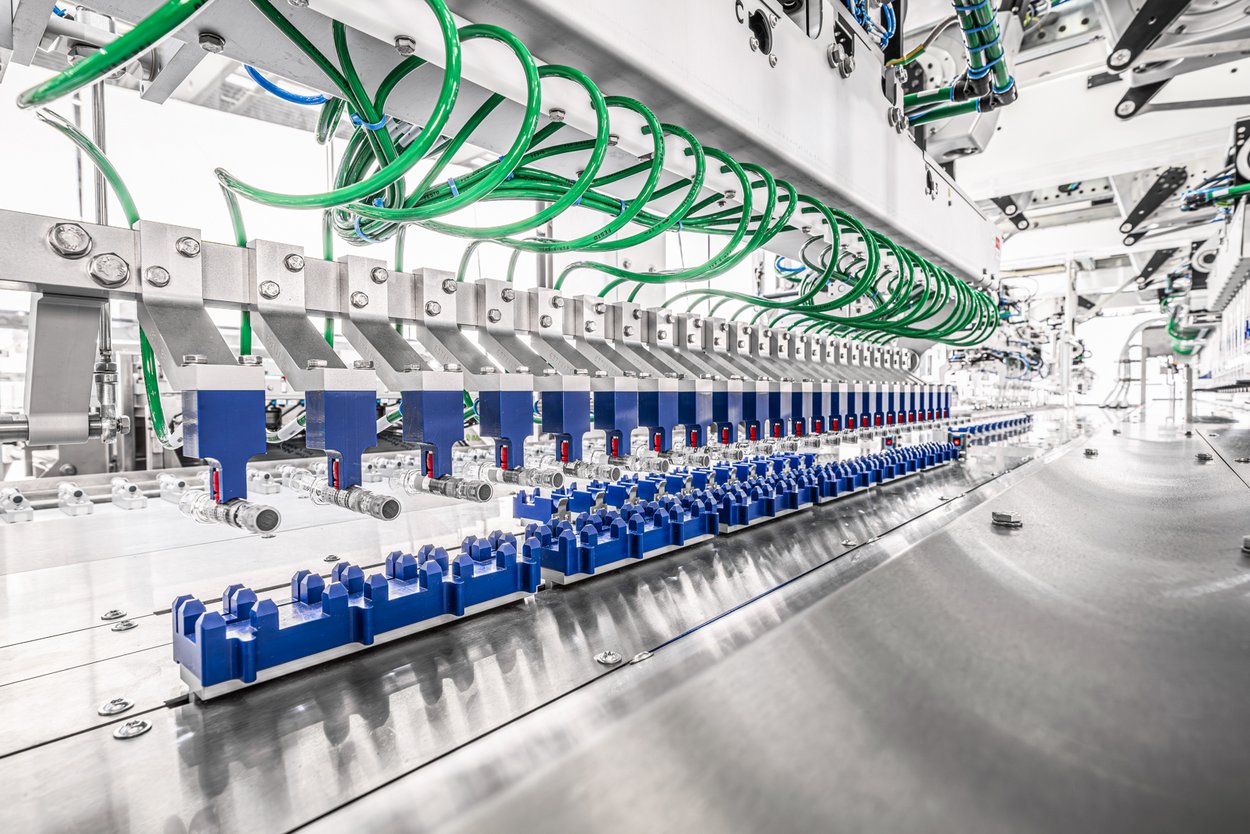
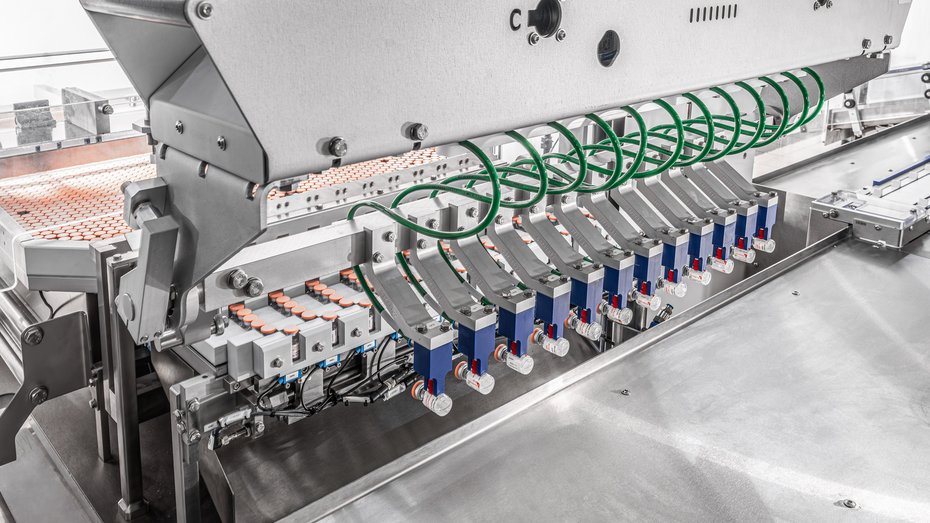
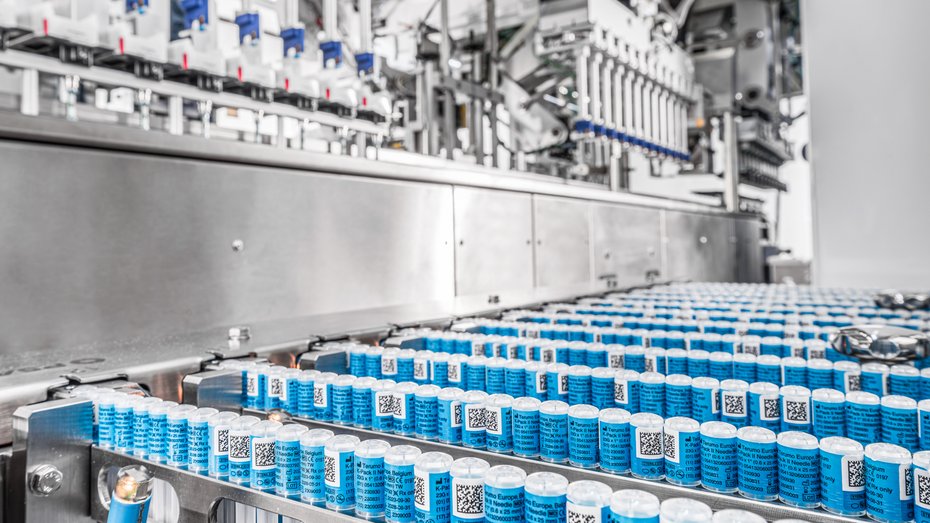
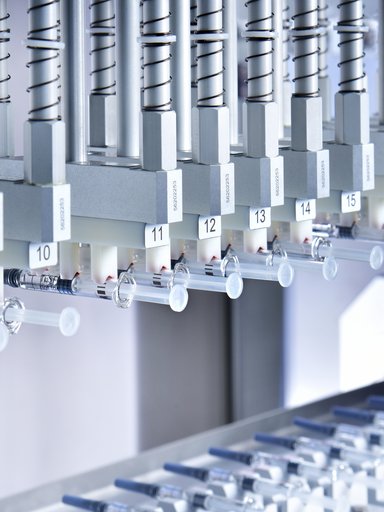
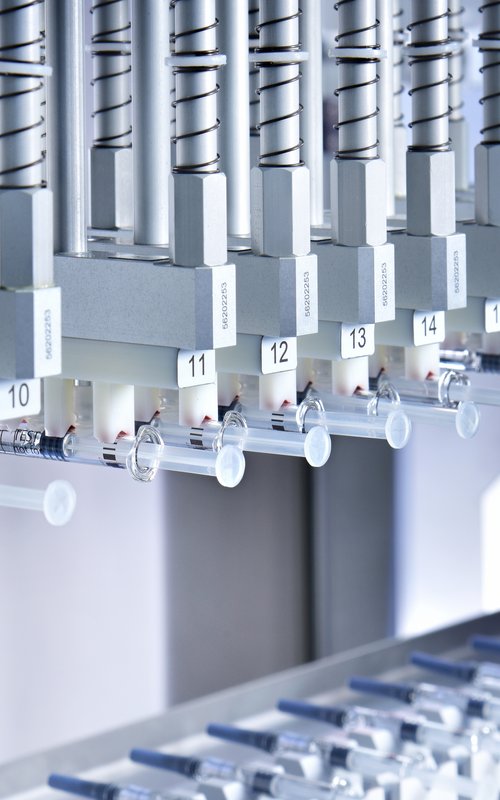
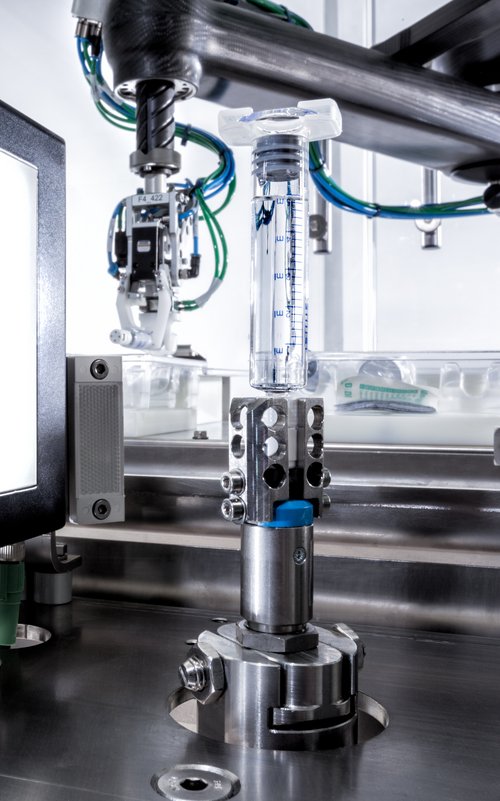
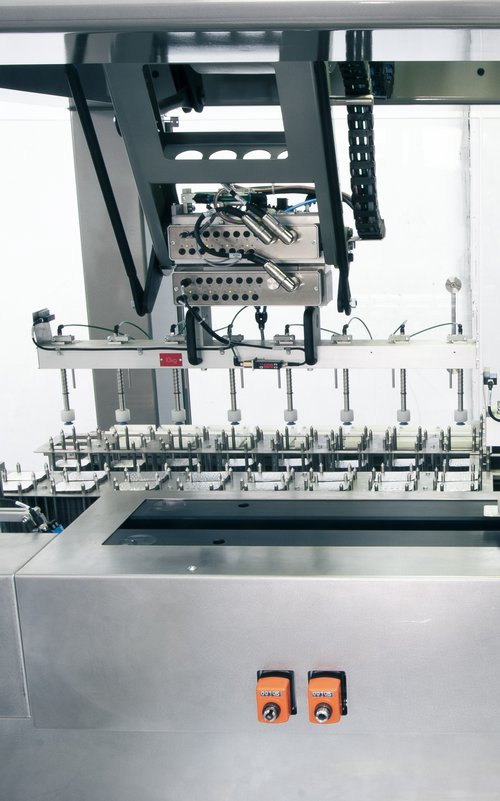
unit, then moves them over the gluing station. There, the partitions are glued and bonded into the erected cartons on the Transmodule. Meanwhile, syringes enter the process lying flat on an infeed chain. An F2 robot picks them up in a formation of 24 and places them on a table inside the machine, which spreads the syringes into two formations of 12. A second F2 robot then picks up one formation at a time from the table and loads the cartons on the Transmodule. Vials and needles reach the partition-fitted cartons through similar processes. Finally, robots place package inserts on top of the products before the machine closes, prints and labels the cartons. The finished cartons leave the line on an outfeed conveyor. A critical aspect: camera systems monitor all materials for correctness and completeness at every stage. This applies to material codes on the blanks as well as to the partitions and cartons, which the systems check for squareness among other criteria. Each infeed also has its own camera to verify that the correct vials, syringes and needles are being processed. Schubert additionally relies on what are known as challenge tests to thoroughly verify critical functions before every new batch. For these test runs – during which codes are blacked out or dummy products are introduced into the process, among other measures – Schubert programmed the machine specifically for this customer. The test mode can be called up at any time via the operator interface and run for both blanks and finished packages. The system logs all results automatically in the batch report.
Sheet metal against strays
There is yet another feature that sets this machine apart – one that is an absolute must in the pharmaceutical sector: Schubert Pharma engineered the line so that products remain visible at all times and stay inside the machine, even if they tip over or roll
away. In keeping with the line clearance concept, the interior of the system is clad with sheet metal panels, eliminating any gaps or cavities where products could become lodged. This line, designed from the ground up for sustainable, flexible packaging, thus
delivers a high degree of production reliability – "a critical factor for vaccines that must be available without interruption," notes Blümlein. Bringing this high-performance line to fruition required Schubert Pharma and the manufacturer to overcome a number of challenges – from testing the infeed systems in Crailsheim to developing partitions that had to fit seamlessly into the existing cartons. The goal was a single, standardised carton that could accommodate different product combinations without any compromises compared to the previous format using thermoformed blisters. Working closely with the PCC and the manufacturer, Schubert Pharma homed in on the right partition design. "Direct communication and an iterative approach made all the difference," says Blümlein, describing the process. The PCC also made adjustments to the cartons themselves in collaboration with the customer to ensure the interior and exterior of the carton work in harmony. The result is not just a versatile end-to-end solution, but a genuine first for the
manufacturer. The system packages up to 270 products per minute across a wide range of combinations – with minimal changeover effort. Only one format – two vials without a needle and syringe – requires the customer to swap the filling tool. "Thanks to our proven technology, they save valuable time," Blümlein emphasises. Nothing now stands in the way of flexible vaccine packaging – and a reliable supply worldwide.
Technical details
- Up to 270 products per minute
- Eleven different format combinations (vials, syringes, needles)
- Nine machine frames across an 18-metre line
- Format changeover in under 30 minutes
- Sustainable cardboard partitions instead of plastic trays
- Continuous camera monitoring with challenge tests
- Line clearance concept with full sheet-metal cladding
- Six lines at three European production sites
Success Story - Kombi Kits
Success Story - Bottles
Success Story - Syringes
Success Story - Patches
Success Story - Combination Kits
Success Story - Pens and Vials


Success Story - Pens, Syringes, Vials, Devices
Success Story - BFS Products
Success Story - Patient Kits

Success Story - Vials
Success Story - Combination kits
Success Story - BFS
Success Story - Ampoules and Vials


Success Story - Inhalers

Success Story - Tablet Blister