Device packaging
Gentle handling of sensitive sensor and plastic components
GMP-compliant serialization and aggregation
Integrated track and trace with camera and code reading
Flexible processing of single and multi-pack cartons
Fast changeover to new formats and country-specific layouts
Special features
of devices
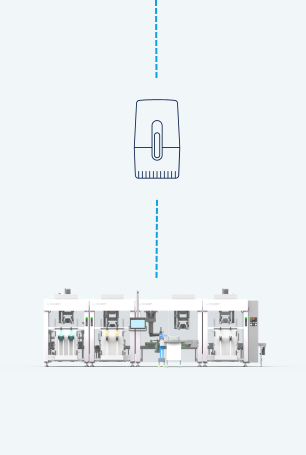
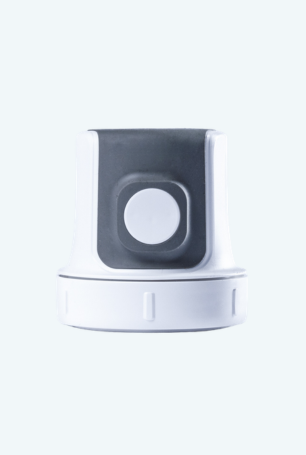
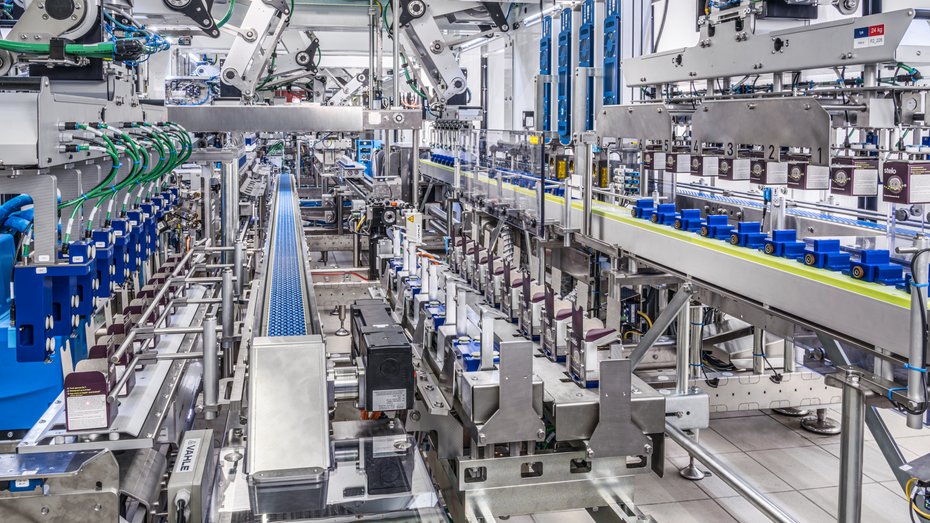
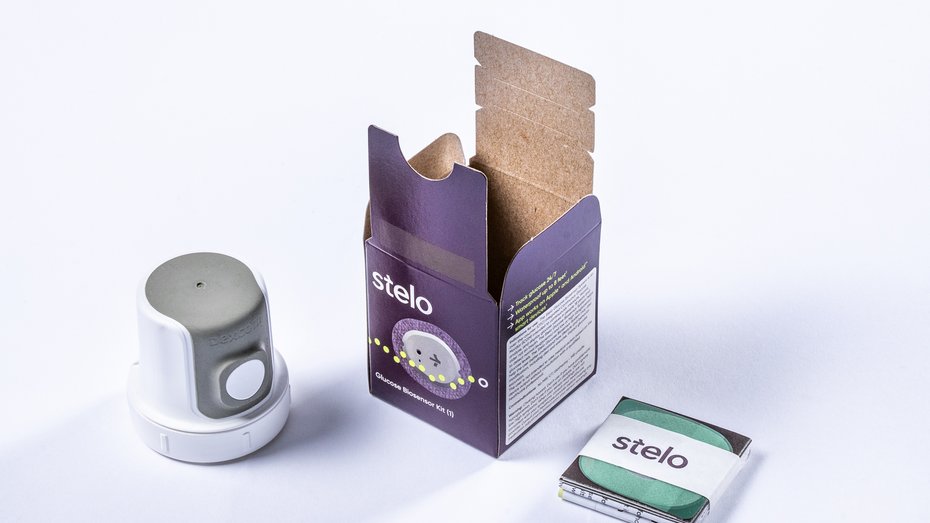
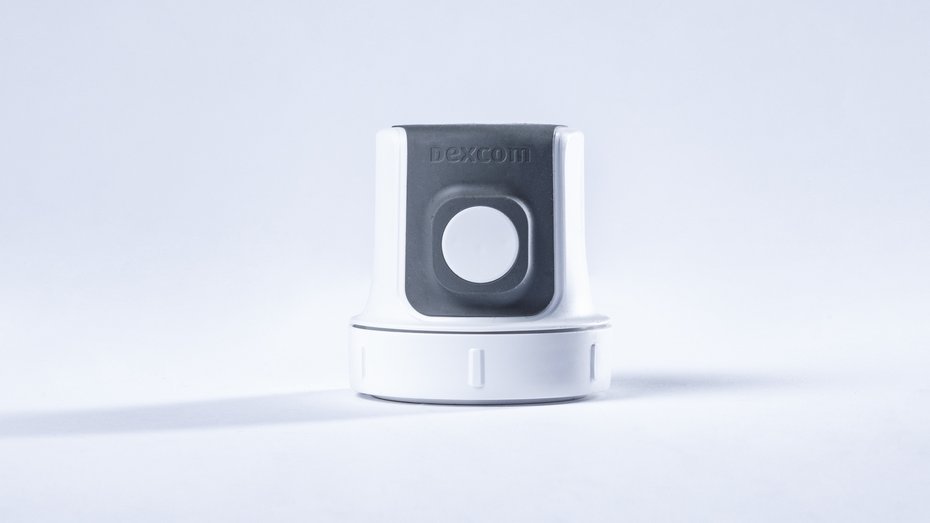
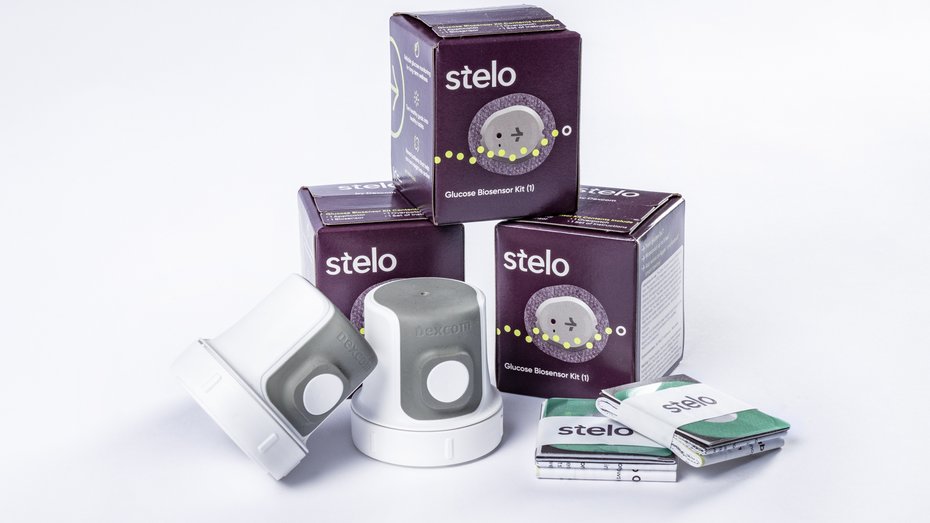
Devices such as applicators for CGM systems require careful handling and end-to-end traceability. Our top-loading solutions combine GMP-compliant serialization, integrated track and trace, and flexible formats for safe, efficient, and international packaging.
Machine workflow
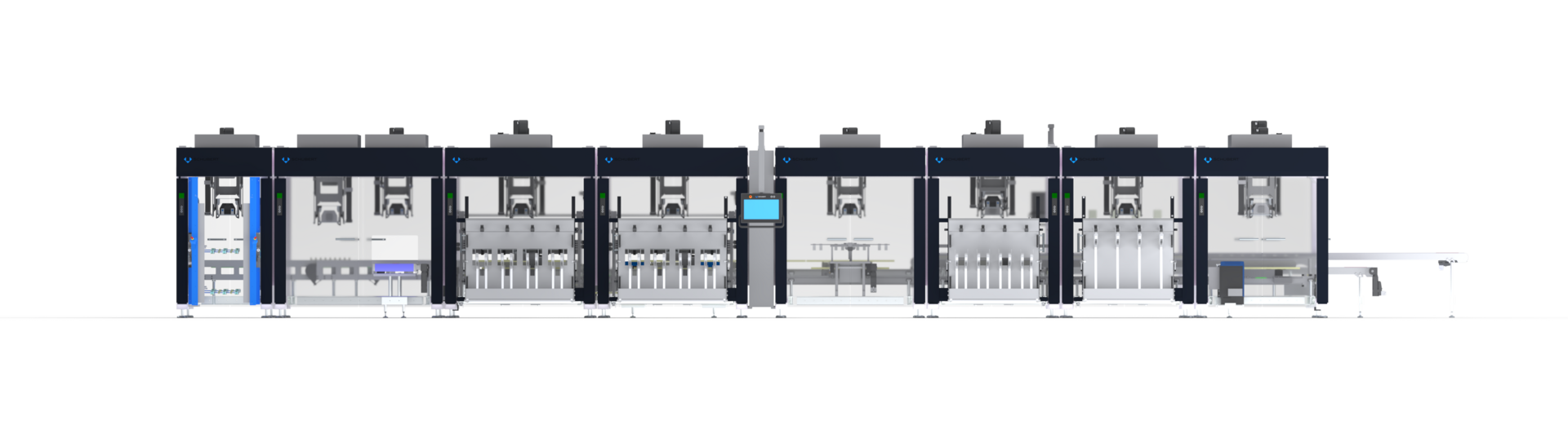
1. Infeed: Devices
1. Infeed: Devices
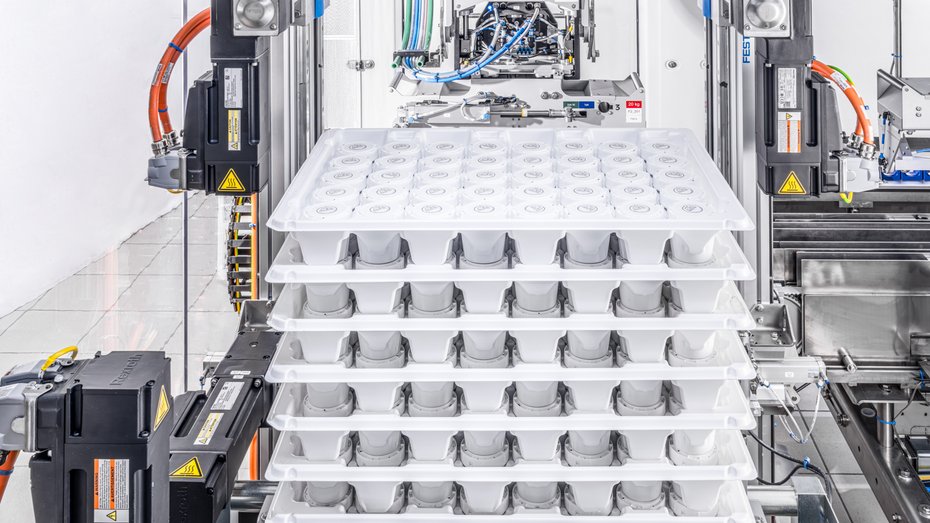
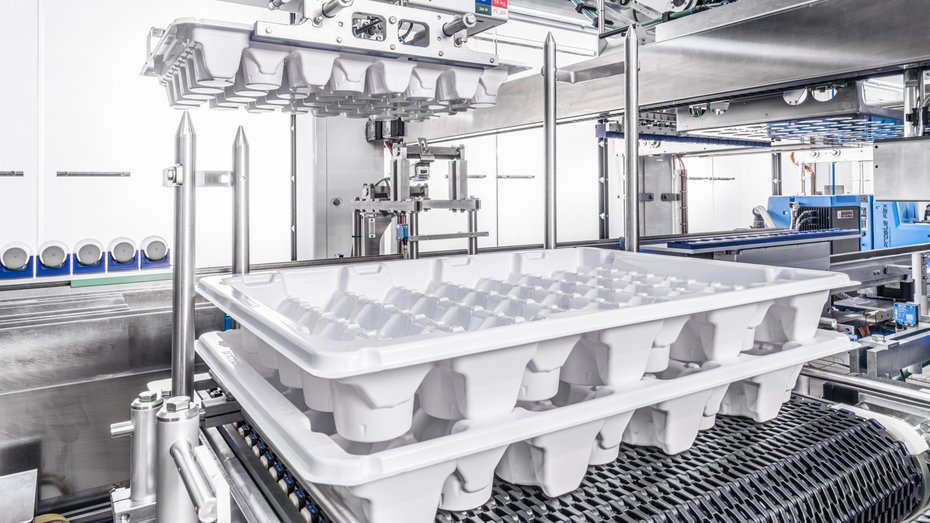
The devices are manually fed into the machine using a transfer cart. The machine can buffer stacks of 7 trays.
2. Transfer: Devices
2. Transfer: Devices
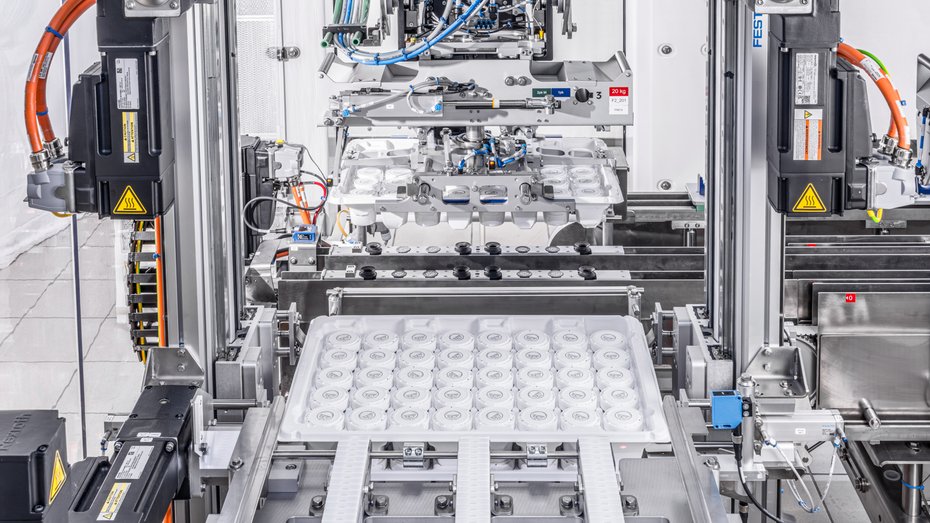
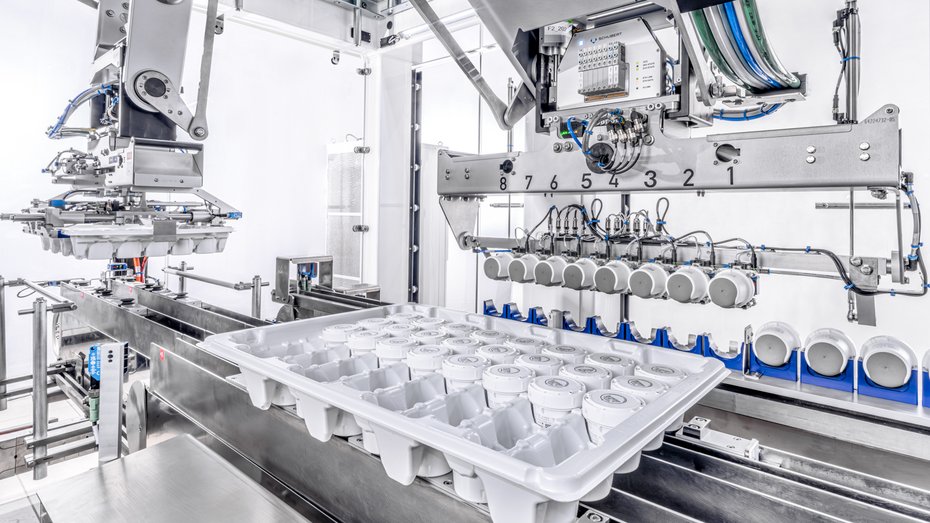
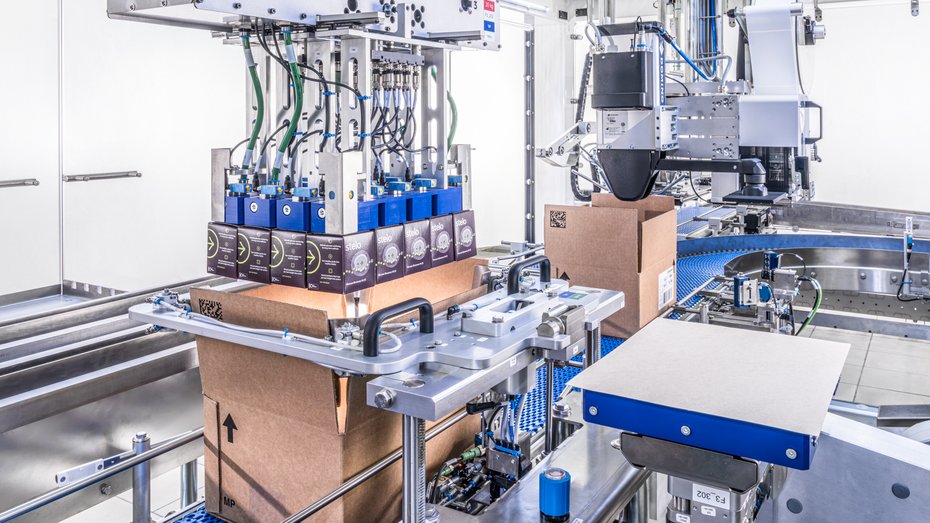
A TLM-F2 robot removes the devices from the tray in rows of 8 and transfers them to the vacuum transport system (VT). On the VT, the applicators are checked for correctness using the DM code, and the serial number is sent to the track and trace system. The empty trays leave the machine via an discharge conveyor. The devices are then transferred once more from the VT to the transmodule, pre-grouped, and turned into the correct orientation so that all applicators enter the machine upside down.
3. Form: Carton
3. Form: Carton
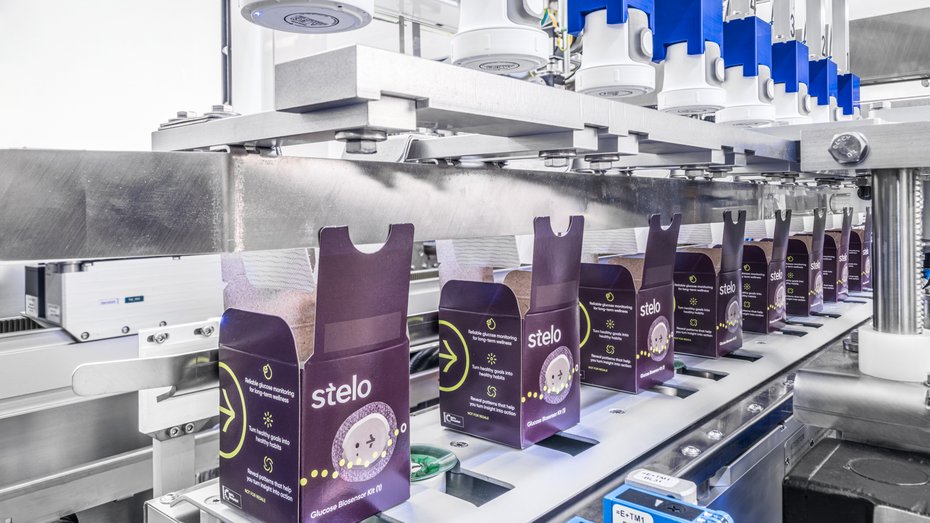
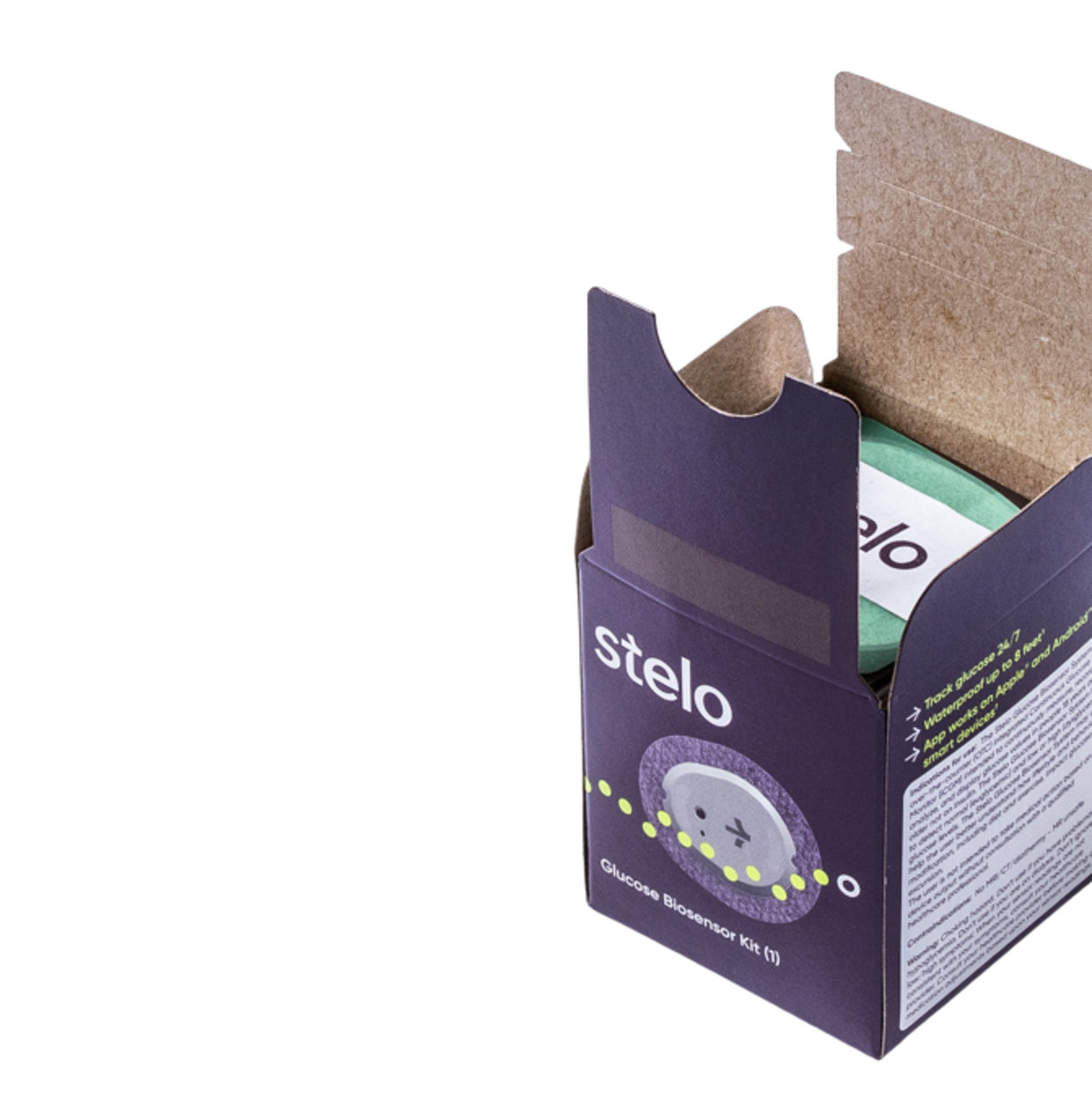
The flat carton blanks are buffered in a four-lane magazine (1ct) or two-lane magazine (2ct). A TLM-F3 robot removes the flat blank from the magazine and presents it to the TLM-F2 robot. After code verification, the blank is guided over glue heads and pushed through a folding box. This forms the carton.
4. Load: Devices
4. Load: Devices
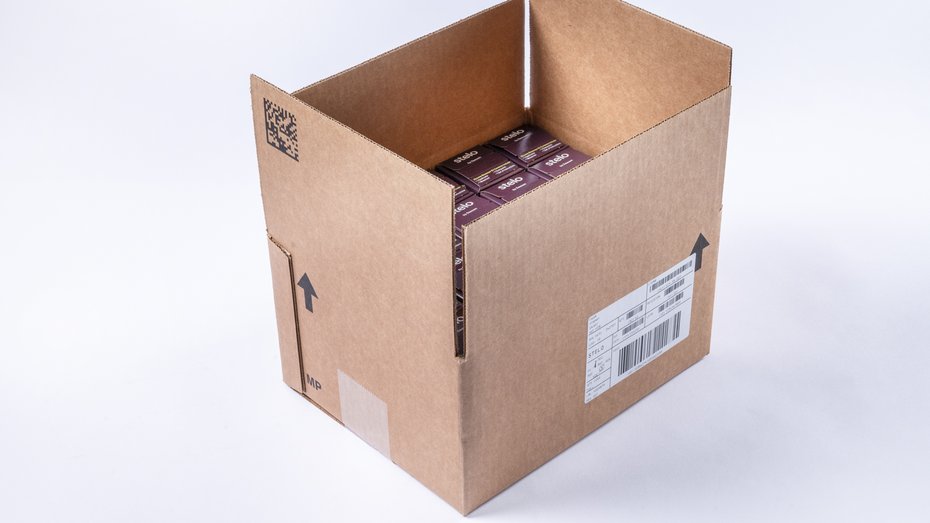
A TLM-F2 robot takes the devices from the transmodule and places them into the formed carton.
5. Load: Insert Bundle (Leaflet)
5. Load: Insert Bundle (Leaflet)
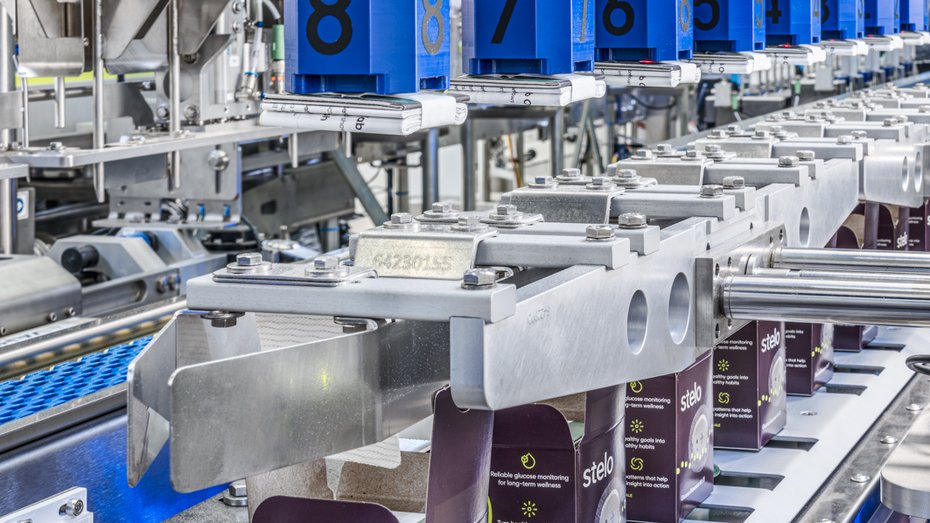
A TLM-F3 robot removes the insert bundles from an eight-lane magazine and presents them to the TLM-F2 robot. After the code reader has checked them for correctness, this robot places the leaflets on top of the devices in the carton.
6. Close: Carton
6. Close: Carton
A TLM-F2 robot takes the cartons and transfers them to a closing table. There, another TLM-F2 robot closes the filled carton and then transfers it to a transport conveyor.
7. Laser: Carton
7. Laser: Carton
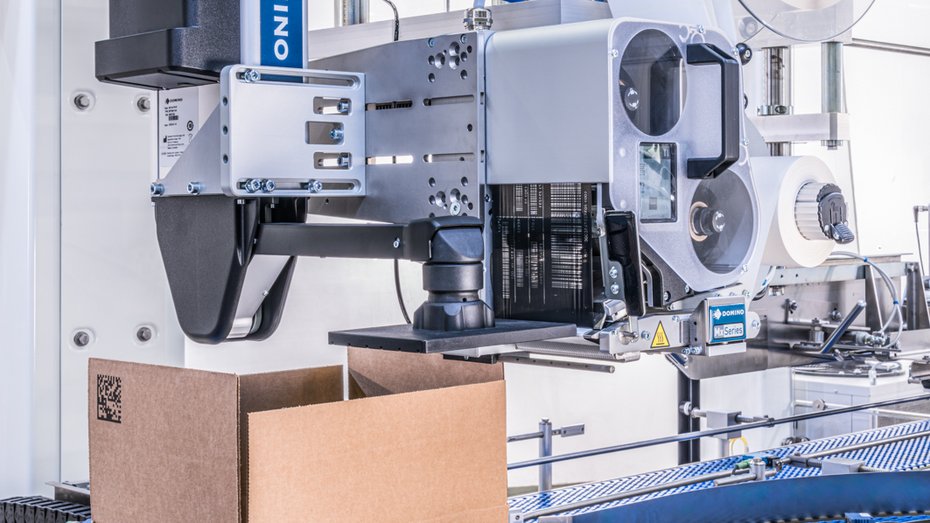
In the final step, a complete print layout (code + content) is laser-marked on the carton. A camera then checks everything for correctness. If carton and product pass all checks with "good", they are transferred to the discharge conveyor. If not, the carton is sent to the reject discharge conveyor.
8. Discharge: Carton
8. Discharge: Carton
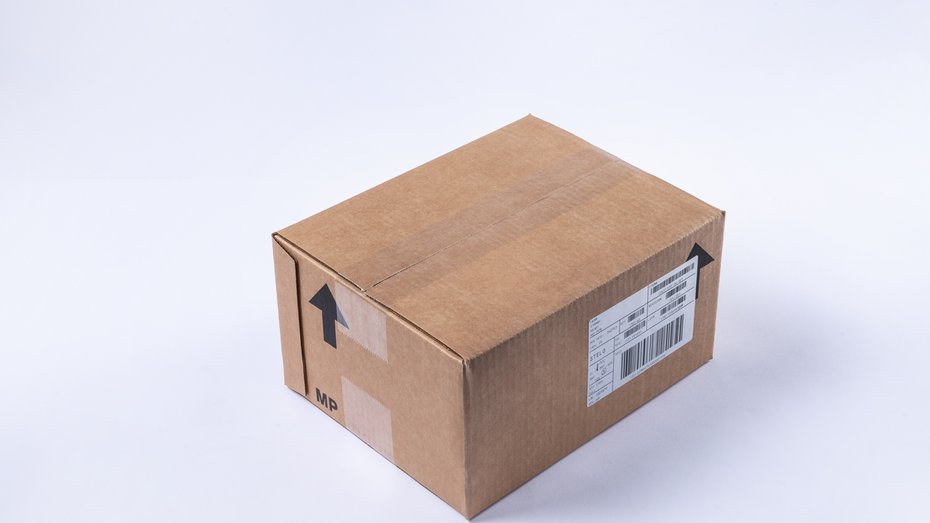
The closed and checked carton leaves the machine on an discharge conveyor. Non-conforming cartons are routed to the reject discharge conveyor accordingly.
Facts about the
Device Cartoner
From a customer project:
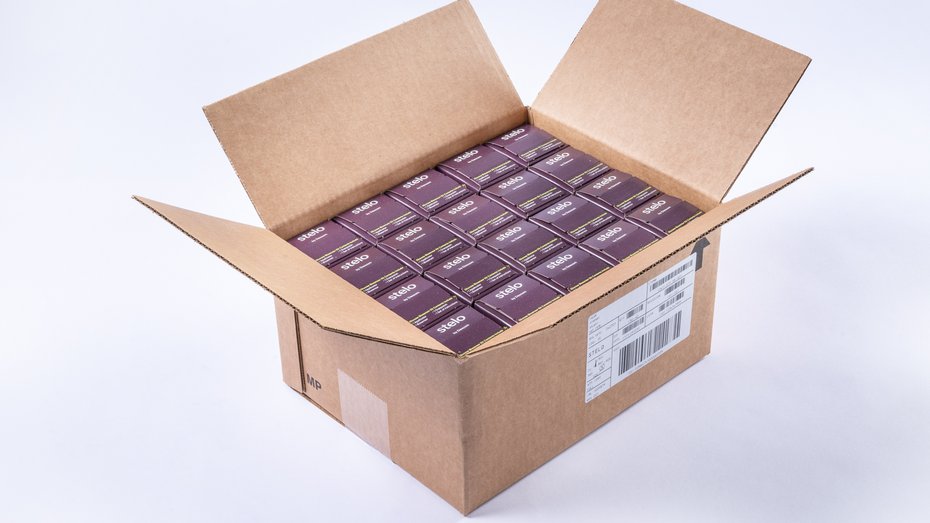
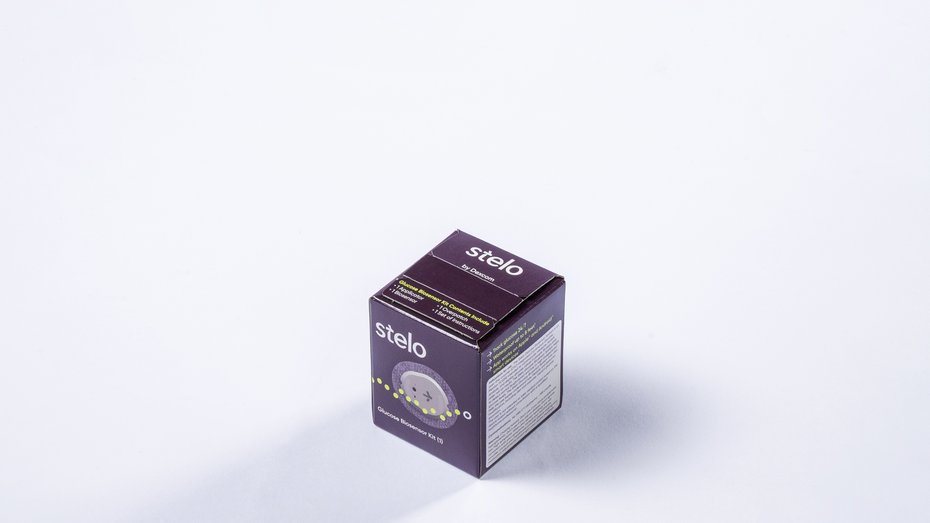
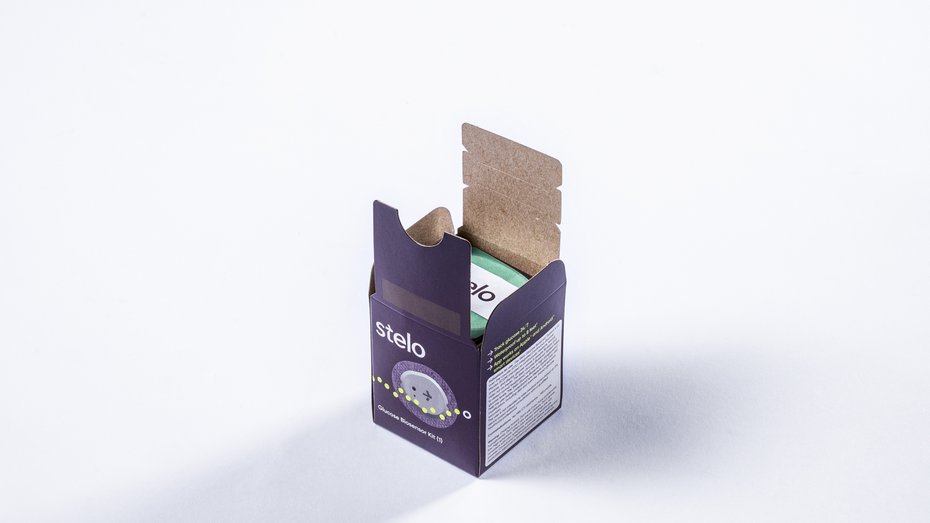
- Packaging of CGM applicators in single- and 2-count cartons
- Integrated track and trace system with Data Matrix codes in accordance with the GS1 standard
- Aggregation of serial and batch data to the production control system
- Single-format output: up to 120 products per minute or 120 cartons per minute
- 2-count format output: up to 160 products per minute or up to 80 cartons per minute
- Format changeover in a maximum of 30 minutes
Questions about
Device packaging?
Contact
Nurdan Aktas
Sales Assistant Pharma
+49 7951 494-20
info@schubert-pharma.com
